
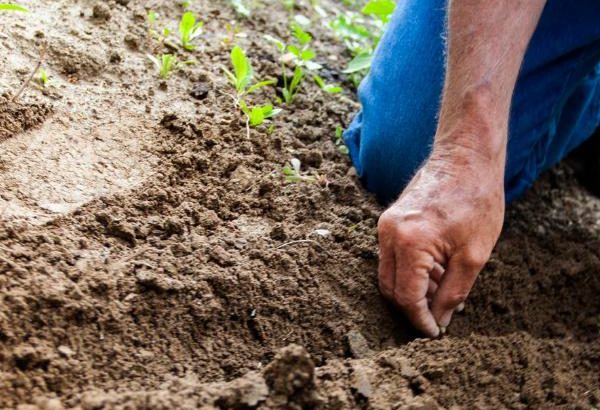
Organic gardening doesn’t have to be grueling work. Indeed, it can be quite enjoyable. Gardening can be overwhelming for a beginner. So, how can you best prepare yourself as a novice organic gardener? Well, a great place to start is with the following helpful article!
The handles of your tools can double as clever rulers. You can use shovels or rakes as measuring sticks. Lay your handles on the floor, and put measuring tape right next to them. Mark your distances with a permanent marker. When you decide to work in the garden again, you will now have a ruler at your disposal.

Choose perennials that slugs are not attracted to. A plant can be completely demolished overnight by slugs and snails. These pests are especially attracted to tender sprouts and to delicate, soft leaves. There are some perennials that do not appeal to slugs, such as those with leaves that are hairy and tough with a bad taste. Achillea, euphorbia, Helleborus, heuchera, and campanula are good choices that slugs don’t like.
Plants need C02 for maximum growth. When exposed to high levels of CO2, most types of plants will grow better. A greenhouse is the best way to create an environment rich in CO2. The levels need to be kept high for optimum greenery growth.
Grow wheat or cat grass in the area around the plants that your cat is eating. Another option is to place something smelly, like citrus peels or mothballs, on the soil surrounding the plants that have previously been eaten.
If you have a vegetable garden, it is crucial they are kept in a spot with at least six hours of sun each day. Many veggies require this amount to properly grow at a faster pace. This is the same for many varieties of flowers.
Irises can be easily divided. Divide any overgrown clumps to increase your stock. If you notice a dead foliage, lift the bulb. As soon as you pick up the bulb, it’ll split into pieces. That’s okay – in fact, it’s desirable. You can replant the bulb pieces and next year you’ll have a healthy bed of new irises. You should divide rhizomes using a knife. Cut healthy pieces from the rootstalk and throw out the dead center. Be sure to retain a sturdy offshoot on every piece that you intend to plant. Replant your new rhizome pieces as soon as you have finished the cuttings.
Use smarts when watering your garden. Use a soaker hose to save time so that you do not have to water each plant individually with a hose nozzle, or a watering can that needs to be refilled repeatedly. Keep the water running slowly so it doesn’t spray up onto the plants’ leaves. Let it water your garden for a few hours, so you’re available to do other stuff.
Allow your children to assist with the work to be done in your organic garden. The benefits for your children will be a closer bond with nature and an understanding of where food comes from.
The ambient temperate of a room with live plants should be kept between sixty-five and seventy-five degrees throughout the day. The temperature needs to remain warm so they may grow. If your home isn’t that warm during winter, try a heat lamp to use on your organic plants instead.
If you are growing your organic plants inside of your home or office, it is vital to make sure that the right amount of light reaches them. If the room you wish to grow them in faces in a direction that gets little light, choose varieties of plants that can accept this type of environment. If you have a different type of plant, extra lighting can always help.
When mulching your flower beds, aim for anywhere between two or three inches of mulch. This will help to inhibit weed growth, helps to lock in moisture, and adds needed nutrients to your organic garden. In addition, your flower beds will have a beautiful, finished appearance year-round.
Tend your organic garden on a regular schedule. No matter what your schedule is like, you should be able to fit in small things that will help you avoid having an overwhelming amount of work all at once. For example, if you have a dog, pull a few weeds while you are outdoors with the dog. Over time, you keep your garden weed free without adding any additional time to your day.

When composting lawn clippings, leaves, and other materials, it is best to add the same amount of green, freshly-cut material as you do dried material. Green plant material can include old flowers, fruit waste, grass clippings, vegetable waste, and leaves. Dried plant material, however, can include items such as cardboard, sawdust, and shredded paper. Avoid meat, ashes, charcoal, plants with diseases, and manure from carnivores.
These tips probably gave you some insight into how to enjoy organic gardening. Growing a garden the right way is a rewarding and relaxing experience. With the proper application of these suggestions, you will be achieving amazing results in your own organic garden in no time at all!


